
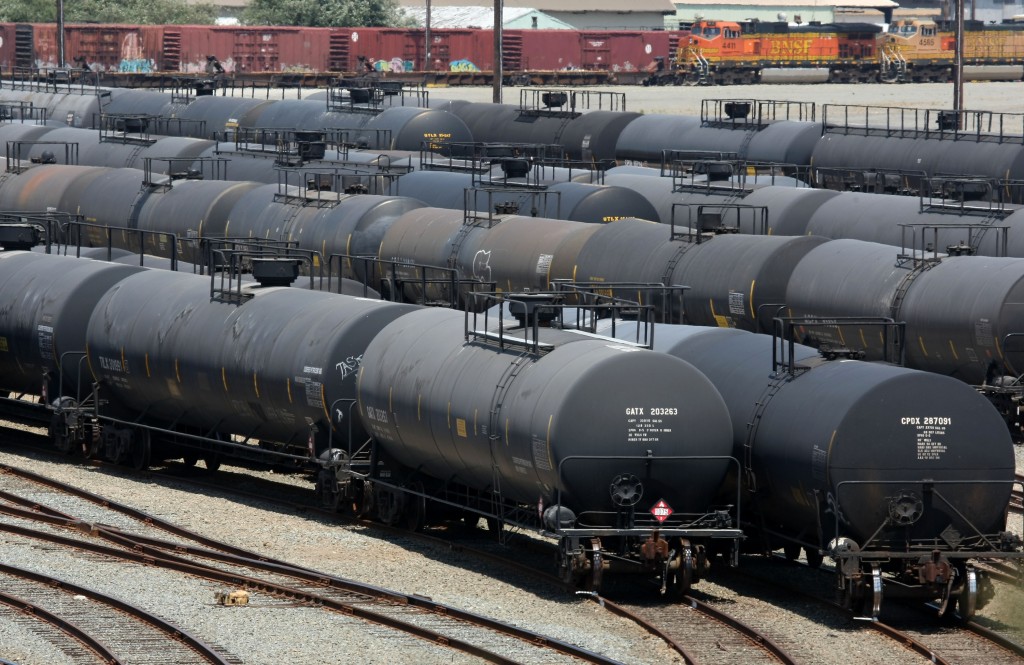
Big Oil Lobbying Against Safer Crude-By-Rail Standards
Despite the spate of recent crude by rail accidents, the oil industry is lobbying against new safety measures.
Despite the spate of recent crude by rail accidents, the oil industry is lobbying against new safety measures.
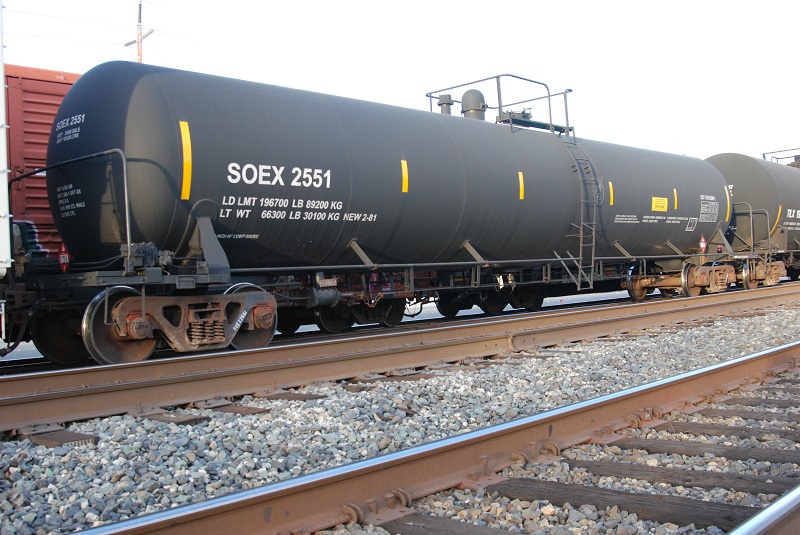
This is getting embarrassing. Another month, another crude by rail accident in the US. Yesterday a 120-car train carrying tar sands oil derailed in western Pennsylvania.

There was the tar sands boom and then the shale gas boom. Then there was the export boom and the tight oil boom. Now it seems there's the midstream boom.

Canada does not need new pipelines, in spite of repeated misleading claims by the oil industry. That’s the conclusion of a new Oil Change International (OCI) analysis showing that Canada has ample pipeline Capacity to export all existing and under...

As political pressure mounts in the US to lift the country’s decades-old crude oil export ban, Reuters reported yesterday that the US government has recently authorized limited re-exports of foreign crude to Europe for the first time in years. According...
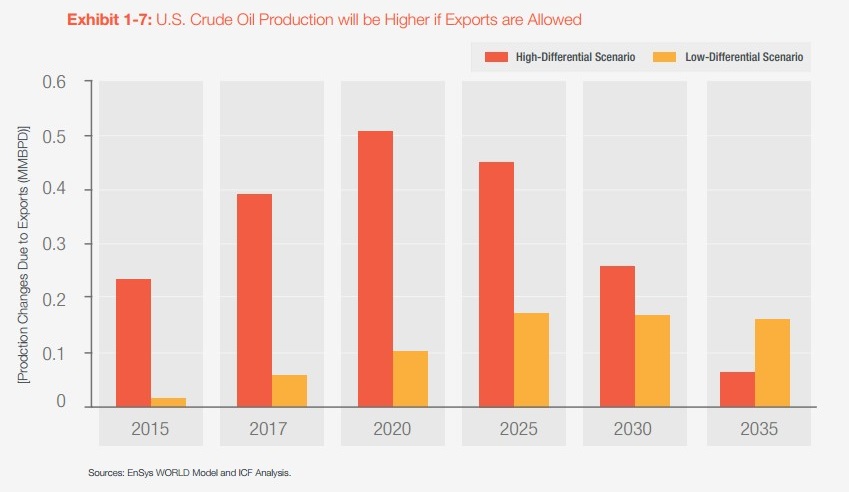
Last night Congressional leaders succumbed to the intensive oil industry campaign to lift the ban on exporting crude. The industry wants to export in order to get higher prices. Not only would this keep full the coffers of the opponents...

Oil Change International, Earthworks, and the Center for International Environmental Law are releasing a new multi-media report series entitled The Permian Basin Climate Bomb. The six-part series analyzes the climate, public health, economic, and social impacts of the Permian fracking...
The final three chapters focus on the petrochemical build-out and plastics pollution, regulatory failure of watchdogs, and stories of families on the frontlines of the Permian Basin.

What we need to see from the Biden Administration before Trump takes office.

Over 250 organizations from 30 countries call on governments to support fellow OECD members' efforts to end oil and gas export finance at OECD meeting on 6 November 2023.