
The tar sands train that couldn’t
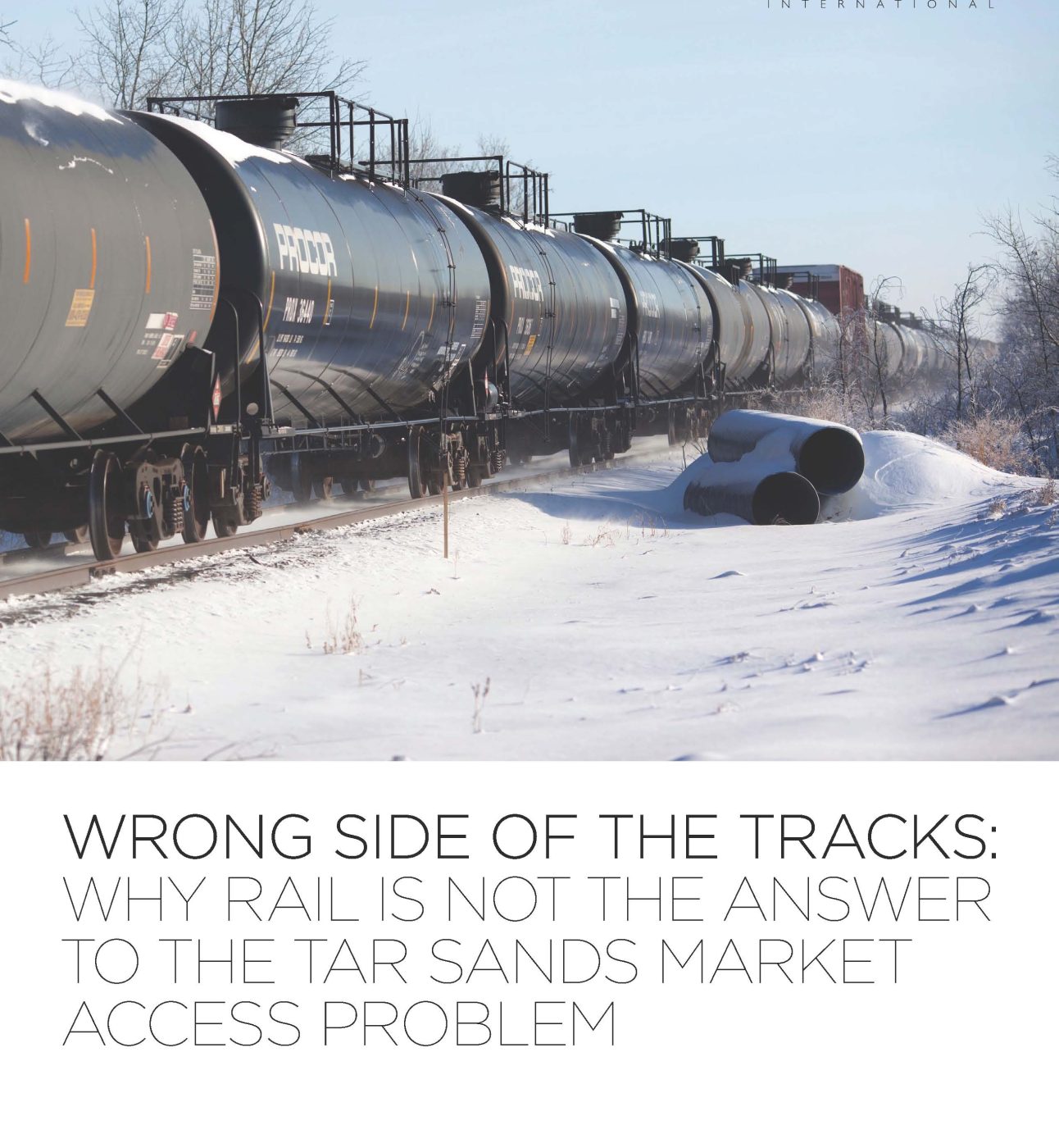
Tar sands-by-rail is a major issue in the debate on Keystone XL. In this first of a series of blogs on the issue, we look at the ongoing failures of the first tar sands unit train terminal.
TransCanada's latest letter to the State Department regarding Keystone XL is riddled with inaccuracies, out-of-date analysis, and distortions that have been proven wrong time and again.
Written by Steve Kretzmann and Lorne Stockman Last week, the Obama Administration announced that it would “examine in depth alternative routes” for the Keystone XL pipeline and that this process “could be completed as early as the first quarter of...
While Chevron’s Richmond refinery has been making the news lately with a very visible incident, our attention has been drawn to less noticed recent events in America’s biggest refining center on the Gulf Coast, where what was to become the...
Oil Change International, Earthjustice and Sightline Institute have submitted a Freedom of Information Act request to the US Department of Commerce Bureau of Industry and Security (BIS) seeking details on the Bureau’s criteria for recently approving multiple significant exceptions to...
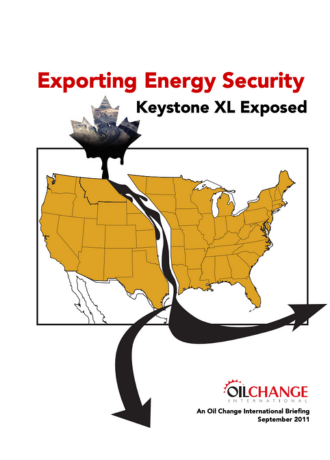
Keystone XL will not lessen U.S. dependence on foreign oil, but rather transport Canadian oil to American refineries for export to overseas markets.
(Washington, DC) – Over a dozen climate activists were arrested at the Capitol today after disrupting the Senate Energy and Natural Resources Committee’s hearing examining the Biden administration's pause on approvals for new liquefied natural gas (LNG) export terminals. The...
In response to the launch of a new Export Finance for the Future coalition (E3F), 21 CSOs from 14 countries released a statement criticizing the lack of ambition from the coalition.
Rather than building momentum towards COP27 through delivering strong policies and a harmonized approach to implementing the collective promise to end international public finance for fossil fuels by the end of 2022, the Summit was overshadowed by backsliding.
Despite the need to rapidly wind-down fossil fuels to avert the worst of the climate crisis, governments worldwide continue to prop up fossil fuel production with huge sums of public money. They may be breaking international law.