
Skip to content
Oil Change International | Data Driven, People Powered.
  • About
    • Our Work
    • Values
    • Team
    • Jobs at OCI
    • Ways to Give
  • Program Areas
    • Africa
    • Asia
    • North Sea
    • United States
    • Global Industry
    • Global Public Finance
    • Global Policy
  • Latest
    • Blog
    • Podcast
    • Press Releases
    • Shell Shocked Land
  • Press Releases
  • Publications
Donate
  • Get Updates
    • Bluesky (opens in a new window)
    • Twitter (opens in a new window)
    • Instagram (opens in a new window)
    • LinkedIn (opens in a new window)
    • Facebook (opens in a new window)
Donate
  • About
    • Our Work
    • Values
    • Team
    • Jobs at OCI
    • Ways to Give
  • Program Areas
    • Africa
    • Asia
    • North Sea
    • United States
    • Global Industry
    • Global Public Finance
    • Global Policy
  • Latest
    • Blog
    • Podcast
    • Press Releases
    • Shell Shocked Land
  • Press Releases
  • Publications
    • Get Updates
    • Share on Bluesky Bluesky
    • Share on Twitter Twitter
    • Share on Instagram Instagram
    • Share on LinkedIn LinkedIn
    • Share on Facebook Facebook
Go to OCI Homepage
Published: April 10, 2007

The Geopolitics of Climate Change
  • Latest from OCI
  • Blogs listing
  • The Geopolitics of Climate Change
    • Climate impacts extreme energy US politics

The CIA, National Security Agency, the Pentagon and FBI should undertake a comprehensive review of the national security threat posed by climate change, according to two US Senators Dick Durbin and Chuck Hagel.

Last week, Durbin, an Illinois Democrat, and Hagel, a Republican from Nebraska, introduced bipartisan legislation that would require a National Intelligence Estimate (NIE) to assess the security threats posed by global climate change.

“For years, too many of us have viewed global warming as simply an environmental or economic issue. We now need to consider it as a security concern,” said Durbin.

“Many of the most severe effects of global warming are expected in regions where fragile governments are least capable of responding to them. Failing to recognise and plan for the geopolitical consequences of global warming would be a serious mistake,” he said. “This intelligence assessment will guide policymakers in protecting our national security and averting potential international crises.”

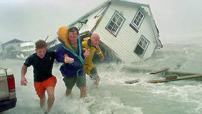
It would be interesting to be a fly on the wall for the first meeting. “Right gentleman, how do rising sea levels, increased droughts, more hurricanes, less food and more violent weather affect the security of the US?”

“Hmmm. Why didn’t we think of this before we gave all those subsidies to our friends in the oil industry?”

Oil Change International | Data Driven, People Powered.
Donate Get Updates
Back to the top
  • Keep in touch
  • Oil Change International
    714 G St. SE, #202
    Washington, DC 20003
    United States

    +1.202.518.9029

    [email protected]

    • Bluesky (opens in a new window)
    • Twitter (opens in a new window)
    • Instagram (opens in a new window)
    • LinkedIn (opens in a new window)
    • Facebook (opens in a new window)
  • Quick links
  • About OCI
  • Our Values
  • Jobs at OCI
  • Ways to Give
  • Media Centre
  • Publications
  • Press
  • Associated websites
  • Big Oil Reality Check
  • Energy Finance Database
  • Permian Climate Bomb
  • Site map
  • Privacy policy
  • Accessibility statement

Copyright © 2026 Oil Change International. Web design by Fat Beehive