
Skip to content
Oil Change International | Data Driven, People Powered.
  • About
    • Our Work
    • Values
    • Team
    • Jobs at OCI
    • Ways to Give
  • Program Areas
    • Africa
    • Asia
    • North Sea
    • United States
    • Global Industry
    • Global Public Finance
    • Global Policy
  • Latest
    • Blog
    • Podcast
    • Press Releases
    • Shell Shocked Land
  • Press Releases
  • Publications
Donate
  • Get Updates
    • Bluesky (opens in a new window)
    • Twitter (opens in a new window)
    • Instagram (opens in a new window)
    • LinkedIn (opens in a new window)
    • Facebook (opens in a new window)
Donate
  • About
    • Our Work
    • Values
    • Team
    • Jobs at OCI
    • Ways to Give
  • Program Areas
    • Africa
    • Asia
    • North Sea
    • United States
    • Global Industry
    • Global Public Finance
    • Global Policy
  • Latest
    • Blog
    • Podcast
    • Press Releases
    • Shell Shocked Land
  • Press Releases
  • Publications
    • Get Updates
    • Share on Bluesky Bluesky
    • Share on Twitter Twitter
    • Share on Instagram Instagram
    • Share on LinkedIn LinkedIn
    • Share on Facebook Facebook
Go to OCI Homepage
Current Affairs
Published: October 02, 2007

Arctic Ice Island Breaks in Half
  • Latest from OCI
  • Blogs listing
  • Arctic Ice Island Breaks in Half
    • Climate impacts Current Affairs extreme energy melting glaciers
Andy Rowell

When not blogging for OCI, Andy is a freelance writer and journalist specializing in environmental issues.

[email protected]

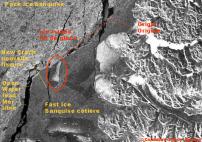
The giant Ayles Ice Island drifting off Canada’s northern shores has broken in two, much earlier than expected. In a season of record summer melting in the region, the two chunks have moved rapidly through the water – one of them covering 98km (61 miles) in a week.
The original Manhattan-sized berg (16km by five km; 10 miles by three miles) broke off the Ayles Ice Shelf in 2005.
Luke Copland of the University of Ottawa, has told BBC News that the fact that the island had headed south was significant. “The island became more vulnerable to breaking up with the warmer temperatures in more southerly latitudes, together with having less protection from the smaller amounts of surrounding sea-ice. Ultimately, the ice island should break up faster because of the warmer temperatures – I’d be surprised if it lasted more than a decade or so.”
The icebergs are being tracked amid fears they could edge west towards oil and gas installations off Alaska. How ironic…

Oil Change International | Data Driven, People Powered.
Donate Get Updates
Back to the top
  • Keep in touch
  • Oil Change International
    714 G St. SE, #202
    Washington, DC 20003
    United States

    +1.202.518.9029

    [email protected]

    • Bluesky (opens in a new window)
    • Twitter (opens in a new window)
    • Instagram (opens in a new window)
    • LinkedIn (opens in a new window)
    • Facebook (opens in a new window)
  • Quick links
  • About OCI
  • Our Values
  • Jobs at OCI
  • Ways to Give
  • Media Centre
  • Publications
  • Press
  • Associated websites
  • Big Oil Reality Check
  • Energy Finance Database
  • Permian Climate Bomb
  • Site map
  • Privacy policy
  • Accessibility statement

Copyright © 2026 Oil Change International. Web design by Fat Beehive