
Skip to content
Oil Change International | Data Driven, People Powered.
  • About
    • Our Work
    • Values
    • Team
    • Jobs at OCI
    • Ways to Give
  • Program Areas
    • Africa
    • Asia
    • North Sea
    • United States
    • Global Industry
    • Global Public Finance
    • Global Policy
  • Latest
    • Blog
    • Podcast
    • Press Releases
    • Shell Shocked Land
  • Press Releases
  • Publications
Donate
  • Get Updates
    • Bluesky (opens in a new window)
    • Twitter (opens in a new window)
    • Instagram (opens in a new window)
    • LinkedIn (opens in a new window)
    • Facebook (opens in a new window)
Donate
  • About
    • Our Work
    • Values
    • Team
    • Jobs at OCI
    • Ways to Give
  • Program Areas
    • Africa
    • Asia
    • North Sea
    • United States
    • Global Industry
    • Global Public Finance
    • Global Policy
  • Latest
    • Blog
    • Podcast
    • Press Releases
    • Shell Shocked Land
  • Press Releases
  • Publications
    • Get Updates
    • Share on Bluesky Bluesky
    • Share on Twitter Twitter
    • Share on Instagram Instagram
    • Share on LinkedIn LinkedIn
    • Share on Facebook Facebook
Go to OCI Homepage
Current Affairs
Published: January 17, 2008

Climate Change Having A “Big” Impact on UK Coasts
  • Latest from OCI
  • Blogs listing
  • Climate Change Having A “Big” Impact on UK Coasts
    • Climate impacts Current Affairs extreme energy Sea level rise
Andy Rowell

When not blogging for OCI, Andy is a freelance writer and journalist specializing in environmental issues.

[email protected]

Climate change is having a major impact on Britain’s coast, the seas around the coast, and the life in those seas, a government-sponsored report has concluded.
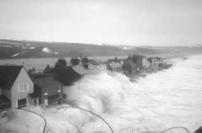
The Marine Climate Change Impacts Partnership (MCCIP) says seas are becoming more violent, causing coastal erosion and a higher risk of flooding. Higher CO2 levels in the atmosphere are making oceans warmer and more acidic, affecting plankton, fish and birds.
The increasing choppiness of coastal waters means that 17% of Britain’s coastline is being eroded. “An increasing trend in extreme water levels has been observed,” the report concludes, “which is most likely to be caused by the rise in average sea level, and which brings an increased risk of flooding.”
Living by the sea may not be that desirable after all…

Oil Change International | Data Driven, People Powered.
Donate Get Updates
Back to the top
  • Keep in touch
  • Oil Change International
    714 G St. SE, #202
    Washington, DC 20003
    United States

    +1.202.518.9029

    [email protected]

    • Bluesky (opens in a new window)
    • Twitter (opens in a new window)
    • Instagram (opens in a new window)
    • LinkedIn (opens in a new window)
    • Facebook (opens in a new window)
  • Quick links
  • About OCI
  • Our Values
  • Jobs at OCI
  • Ways to Give
  • Media Centre
  • Publications
  • Press
  • Associated websites
  • Big Oil Reality Check
  • Energy Finance Database
  • Permian Climate Bomb
  • Site map
  • Privacy policy
  • Accessibility statement

Copyright © 2026 Oil Change International. Web design by Fat Beehive