
Skip to content
Oil Change International | Data Driven, People Powered.
  • About
    • Our Work
    • Values
    • Team
    • Jobs at OCI
    • Ways to Give
  • Program Areas
    • Africa
    • Asia
    • North Sea
    • United States
    • Global Industry
    • Global Public Finance
    • Global Policy
  • Latest
    • Blog
    • Podcast
    • Press Releases
    • Shell Shocked Land
  • Press Releases
  • Publications
Donate
  • Get Updates
    • Bluesky (opens in a new window)
    • Twitter (opens in a new window)
    • Instagram (opens in a new window)
    • LinkedIn (opens in a new window)
    • Facebook (opens in a new window)
Donate
  • About
    • Our Work
    • Values
    • Team
    • Jobs at OCI
    • Ways to Give
  • Program Areas
    • Africa
    • Asia
    • North Sea
    • United States
    • Global Industry
    • Global Public Finance
    • Global Policy
  • Latest
    • Blog
    • Podcast
    • Press Releases
    • Shell Shocked Land
  • Press Releases
  • Publications
    • Get Updates
    • Share on Bluesky Bluesky
    • Share on Twitter Twitter
    • Share on Instagram Instagram
    • Share on LinkedIn LinkedIn
    • Share on Facebook Facebook
Go to OCI Homepage
Current Affairs
Published: February 18, 2008

Jaws to Hit Antarctica
  • Latest from OCI
  • Blogs listing
  • Jaws to Hit Antarctica
    • Climate impacts Current Affairs extreme energy impact on wildlife
Andy Rowell

When not blogging for OCI, Andy is a freelance writer and journalist specializing in environmental issues.

[email protected]

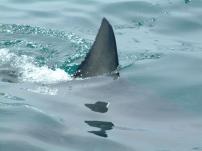
Unique marine life in Antarctica will be at risk from an invasion of sharks, crabs and other predators if climate change continues, scientists warn.
Crabs are poised to return to the Antarctic shallows, threatening creatures such as giant sea spiders and floppy ribbon worms, says a UK-US team. Bony fish and sharks would move in if waters warm further, threatening species with extinction, they say. In the last 50 years, sea surface temperatures around Antarctica have risen by 1 to 2C, which is more than twice the global average.
Speaking in Boston at the annual meeting of the American Association for the Advancement of Science (AAAS), the researchers said global warming could fundamentally change the ecosystem, leading to the loss of some species. “Sharks are going to arrive in Antarctica as long as the warming trend continues, a bit more slowly than crabs – crabs are going to get there first,” said Professor Cheryl Wilga of the University of Rhode Island (URI), US. “But once they do get there they are capable of eating the organisms that live there.”

Oil Change International | Data Driven, People Powered.
Donate Get Updates
Back to the top
  • Keep in touch
  • Oil Change International
    714 G St. SE, #202
    Washington, DC 20003
    United States

    +1.202.518.9029

    [email protected]

    • Bluesky (opens in a new window)
    • Twitter (opens in a new window)
    • Instagram (opens in a new window)
    • LinkedIn (opens in a new window)
    • Facebook (opens in a new window)
  • Quick links
  • About OCI
  • Our Values
  • Jobs at OCI
  • Ways to Give
  • Media Centre
  • Publications
  • Press
  • Associated websites
  • Big Oil Reality Check
  • Energy Finance Database
  • Permian Climate Bomb
  • Site map
  • Privacy policy
  • Accessibility statement

Copyright © 2026 Oil Change International. Web design by Fat Beehive