

The overlooked banks that could power the renewables revolution
Private investment alone won’t deliver the energy transition. National development banks can, says Adam McGibbon of Oil Change International.
Read the latest insights and analysis from the experts at Oil Change International.
Private investment alone won’t deliver the energy transition. National development banks can, says Adam McGibbon of Oil Change International.
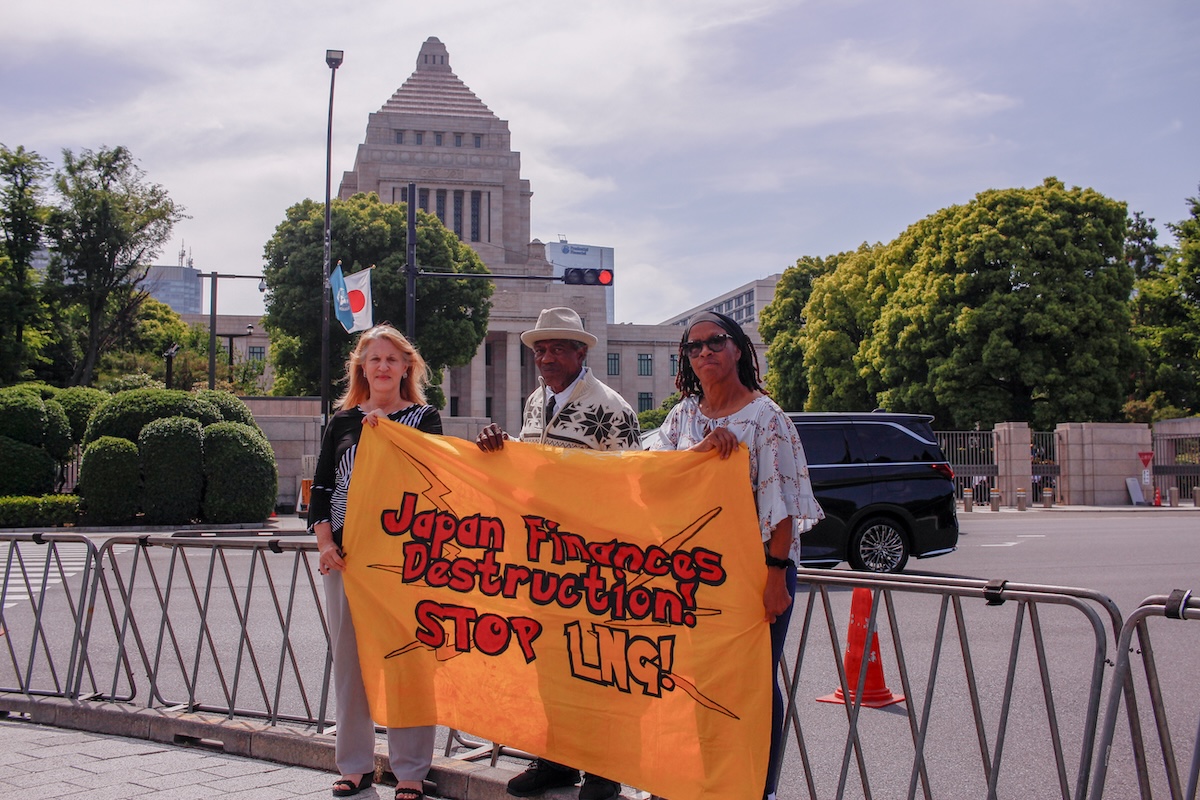
This May, community leaders from Freeport, Texas, flew to Tokyo to hold Japanese financiers accountable for funding a dangerous liquefied natural gas (LNG) export project in their town.

As long as the global energy system relies on volatile fossil fuel markets, conflicts will continue to drive instability, economic shocks, and corporate profiteering. Fossil fuel companies can rake in profits from this volatility, while households are left with higher bills. The only real path to energy security is a just transition to affordable renewable energy.

On 20 May 2026, the United Nations General Assembly (UNGA) adopted a landmark resolution backing the International Court of Justice’s (ICJ) 2025 advisory opinion on climate change. The resolution passed overwhelmingly, with 141 countries voting in favor, 8 against, and 28 abstaining. The adoption of this resolution is a major development, both legally and politically. It reinforces States obligations under international law to prevent and address climate change and suggests that countries could face legal consequences if they fail to act, including through enabling continued fossil fuel expansion.

As people lose their lives in Trump and Netanyahu’s illegal war on Iran, Big Oil is cashing in. During the first month of the US-Israeli war on Iran, the world’s top 100 oil and gas producers banked an estimated more than $30 million every hour in excess profit. Accelerating an equitable transition towards renewable energy is essential to a more stable and peaceful future.

Less than two weeks into the assault on Iran, Trump stated on social media that “the United States is the largest oil producer in the world, by far, so when oil prices go up, we make a lot of money.” Nothing says “America First” better than decimating the global economy while boasting about turning a profit.

The Iran crisis is now exposing that vulnerability in real time, as LNG prices across Asia have nearly doubled within weeks. But this isn’t just Japan’s problem. Through years of state-backed financing, Japan has exported the same risky energy model across Southeast Asia
Around the world, there is political instability, escalating fossil fuel expansion, and growing pressure on communities fighting for a just transition – driven in large part by the greed of the few – led by the oil and gas industry. In the face of escalating injustice and threats to our health and environment, the work we did together laid the critical groundwork for what’s ahead. And through it all, we remained grounded in the fight for justice that has driven us for the past 20 years.
Trump’s illegal war with Iran has already taken a devastating human toll. It could also mean higher energy bills worldwide, while fossil fuel companies, traders and investors get rich.
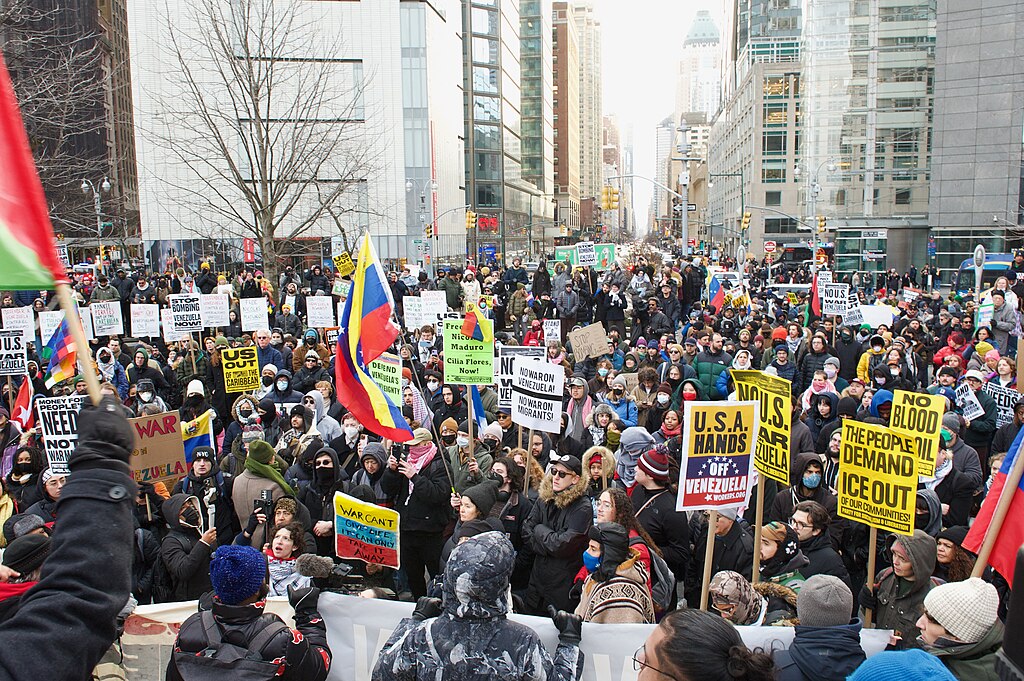
Se trata, sin ambigüedades, de imperialismo impulsado por los combustibles fósiles.