
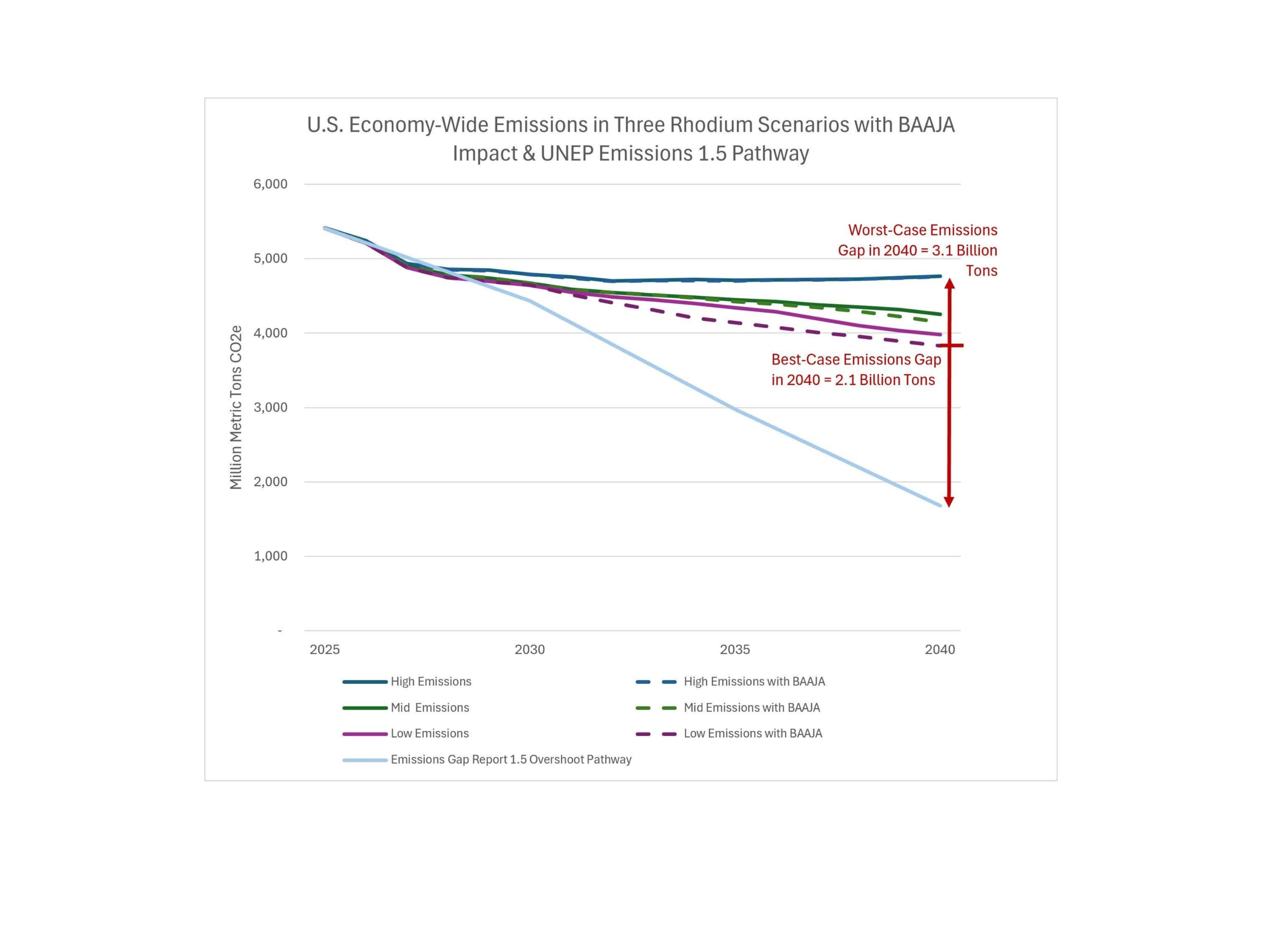
BAAJA’s Epic Climate Fail
Slightly lower emissions in a world that needs to rapidly push emissions down to zero does nothing to end the climate crisis.
Read the latest insights and analysis from the experts at Oil Change International.
Slightly lower emissions in a world that needs to rapidly push emissions down to zero does nothing to end the climate crisis.
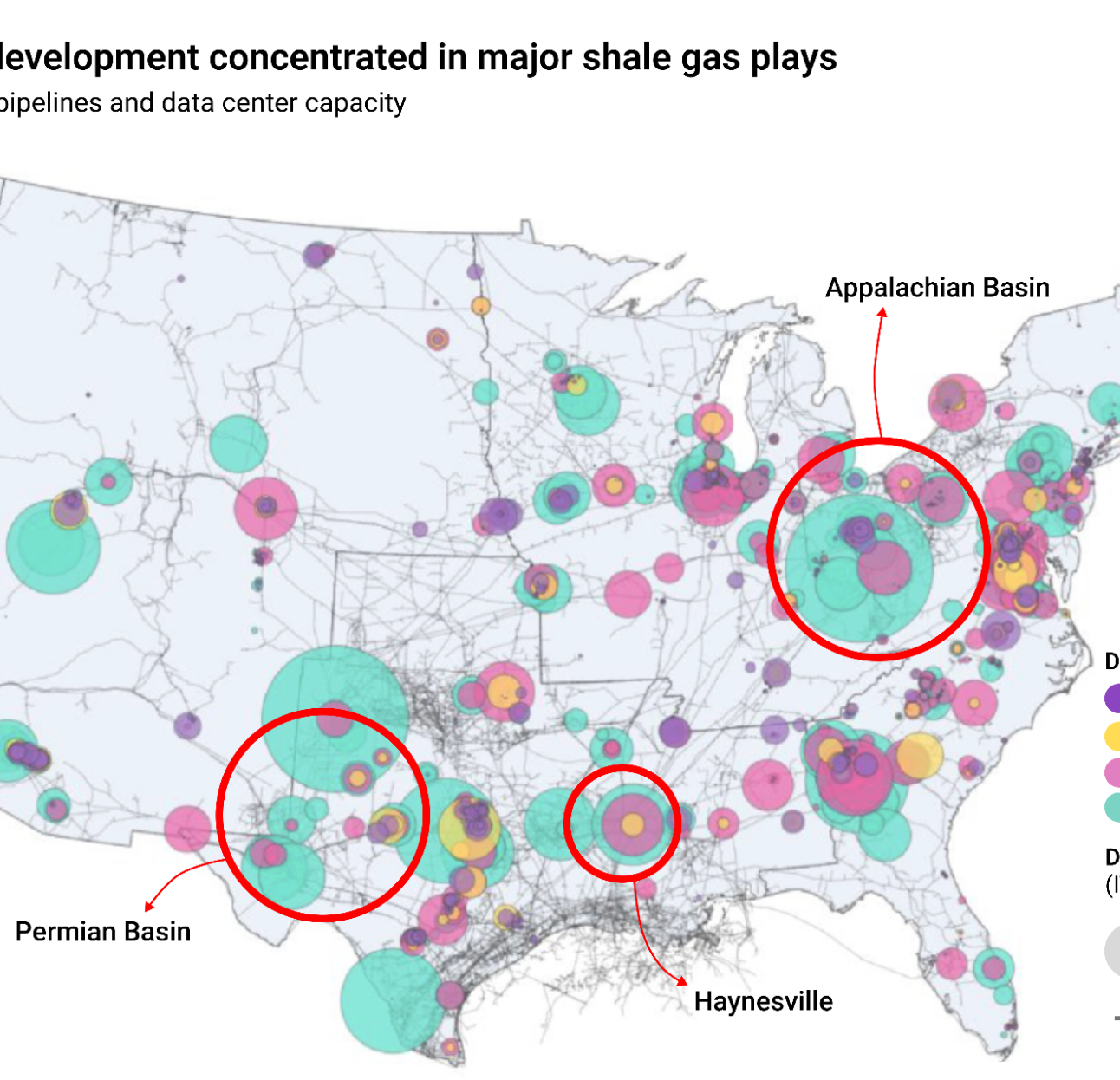
As communities across the country challenge the enormous burden data centers and gas infrastructure threaten to place on land, clean water and air, public health and safety, energy access, and the cost of living, BAAJA will take away their ability to demand accountability and protection.

As temperatures drop, millions of households across the UK will be reaching for the thermostats in dread, with energy bills yet again set to skyrocket. But as families are counting every pound, the government is deliberating pledging taxpayer money either to oil and gas giants that get richer from high bills - or to support families to reduce bills in the long term with greener heating systems. The choice should obviously be an absolute no-brainer.
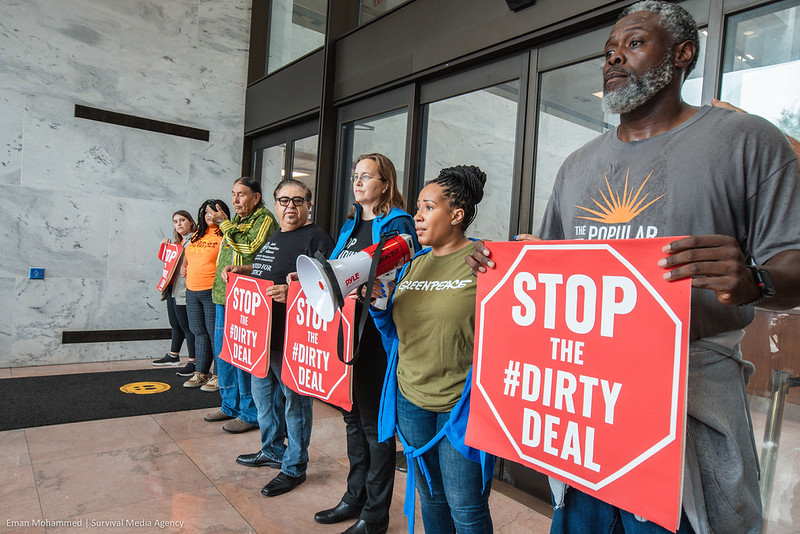
The U.S. Senate’s proposed Bipartisan American Affordability and Jobs Act is being presented as a “compromise” to support transmission and clean energy, but it is in fact a gift to the fossil fuel industry. The bill would strip communities of critical environmental protections, accelerate a massive expansion of gas infrastructure to power AI data centers, and undermine future climate action. Our analysis finds that even with the most optimistic modeling, the bill would fall far short of the emissions reductions needed to meet climate goals.
Proponents’ models only expose how little would be gained from this epic giveaway.
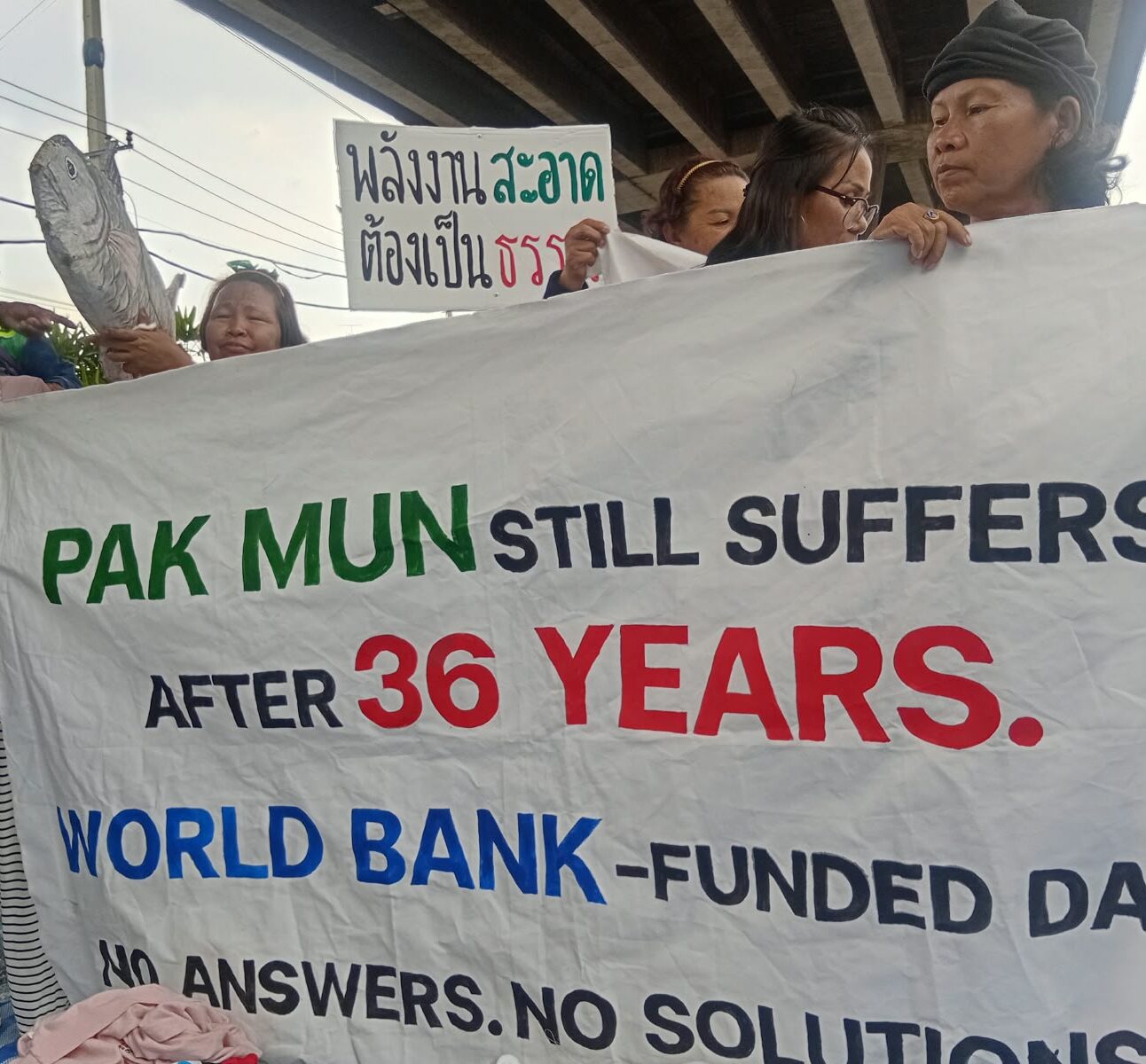
Asian countries should not be pushed into long-term fossil fuel dependency in the name of energy security or climate action. Nor should communities be expected to sacrifice their environment and livelihoods for investments they have little to no power to influence.
Senators announced a bipartisan bill to deregulate federal infrastructure permitting. Some Democrats framed the deal as good for clean energy, citing provisions that could speed up permitting for transmission lines and grid connections for renewable energy. But the bill would more likely support an unprecedented buildout of gas power plants linked to the AI data center boom.
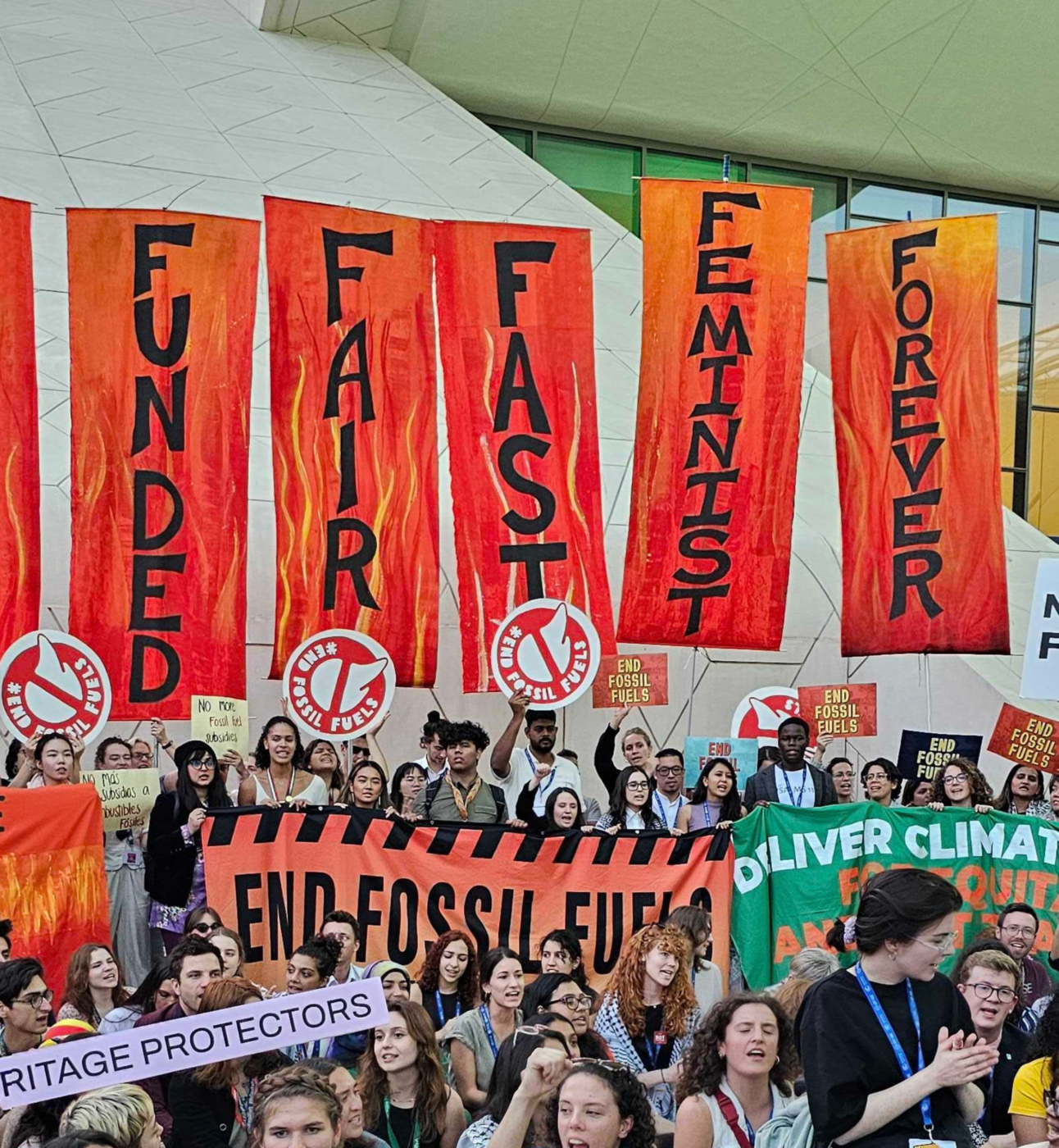
Fossil fuel dependence drives deadly climate impacts, higher energy costs, economic instability, and conflict. As the Trump administration doubles down on fossil fuel expansion in the United States and abroad, other governments must offer a different path. Publicly led national roadmaps can deliver a fair, fast, and funded fossil fuel phaseout to protect workers and communities, strengthen economies, and build energy sovereignty.
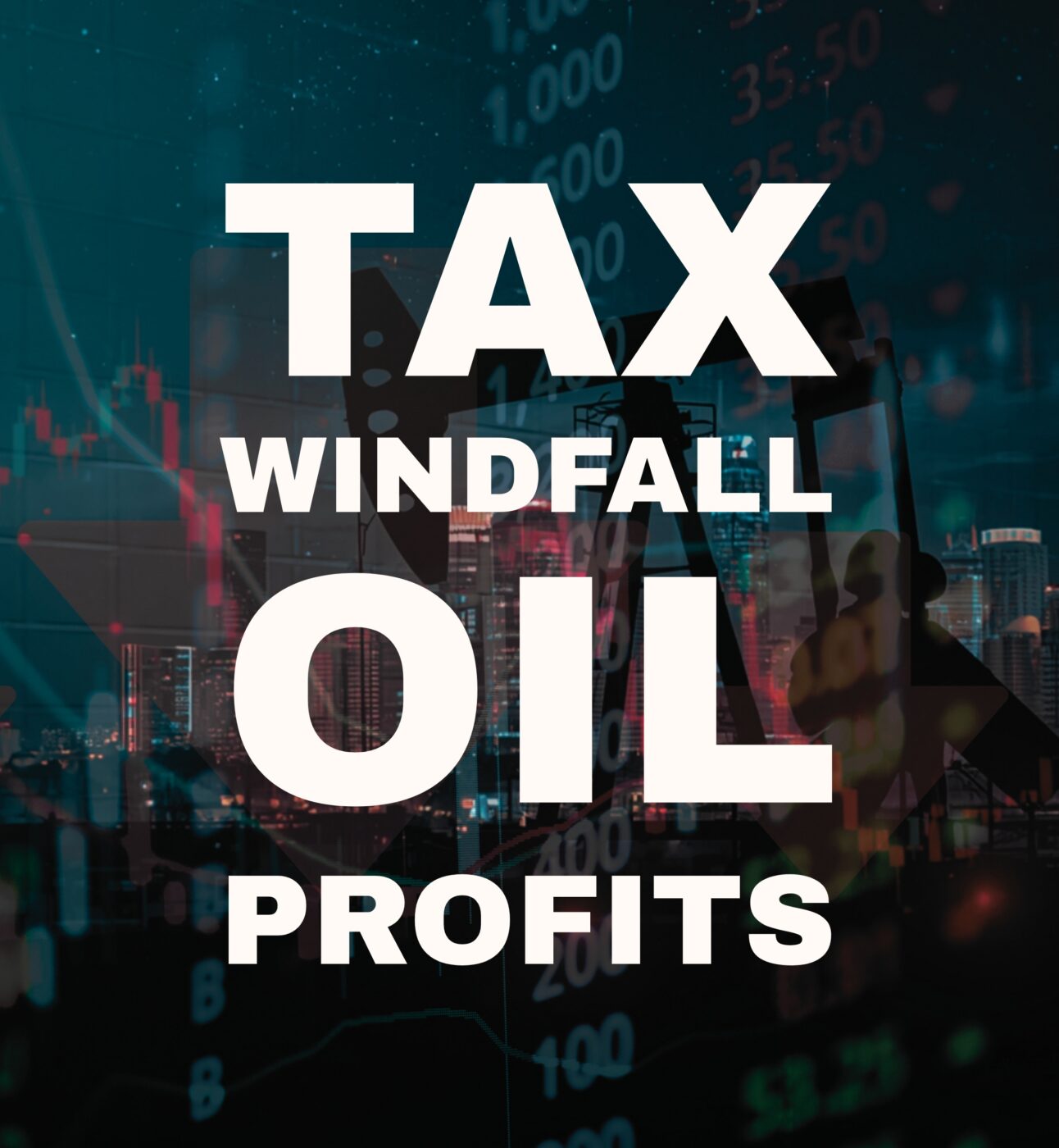
The world’s five largest international oil companies (IOCs) and five largest U.S. independent refiners made over US$65 billion in profits in the second quarter of 2026 as conflicts in the Persian Gulf and Ukraine spiked oil prices and caused refined fuel supply constraints. As thousands die in the relentless bombardments of drones and ballistic missiles, the oil and gas industry reaps windfall profits in a year that was looking to be a loser before the bombs started falling.

They say the truth will come out. It might take years or decades, but finally the truth will eventually come out. For decades, in what has become a multi-generational fight, the communities of the Niger Delta have fought Shell for its rampant pollution and environmental devastation.